

Fly Ash
From combustion residue to circular construction material
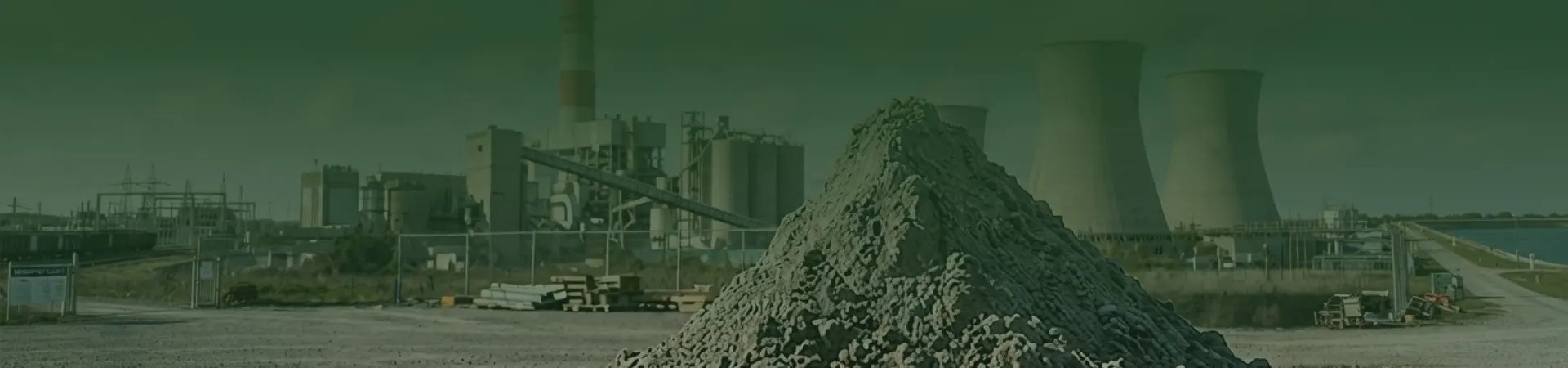
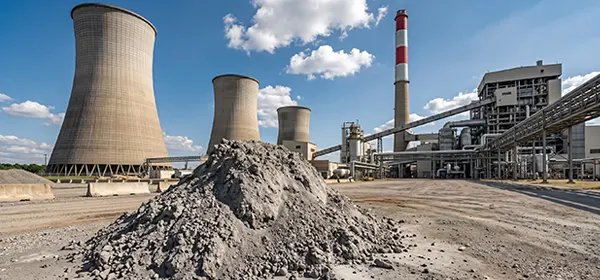
Fly ash is produced from the burning of pulverized coal in a coal-fired boiler a fine, glass-like particulate material captured from flue gas. At Phenix Enterprise, we recover, classify, and supply it as a high-performance supplementary cementitious material (SCM) that reduces the carbon footprint of concrete without compromising strength or durability.
Why It Matters
Every tonne of fly ash used to replace Portland cement avoids the CO₂ emissions and energy intensity associated with clinker production one of the most carbon-intensive processes in industrial manufacturing. It is circularity engineered directly into the built environment: a power-generation residue re-entering the value chain as the backbone of stronger, longer-lasting concrete.
Engineered Performance
- Reacts pozzolanically with lime released during cement hydration, generating additional strength-giving C-S-H gel
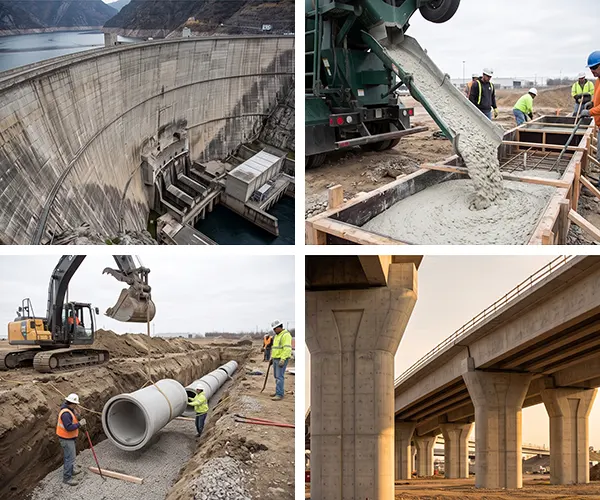
- Enables cement replacement typically in the 20–30% range, and higher in optimized mix designs
- Lowers heat of hydration critical for mass concrete pours in dams, foundations, and marine structures
- Improves workability, flowability, and finish while reducing water demand
- Enhances resistance to sulphate attack and alkali-silica reaction, extending structural service life
- Available in Class F and Class C grades to match project-specific strength and exposure requirements
Sustainability Impact
- Diverts a thermal power by-product from ash ponds and landfill into productive reuse
- Reduces clinker demand and associated CO₂ emissions in cement and concrete production
- Conserves natural raw materials that would otherwise be quarried for cement manufacture
- Supports green building certifications and low-embodied-carbon concrete mix designs
Specifications
 Standards
 Packing
 Monthly Capacity
 Shipping Mode
